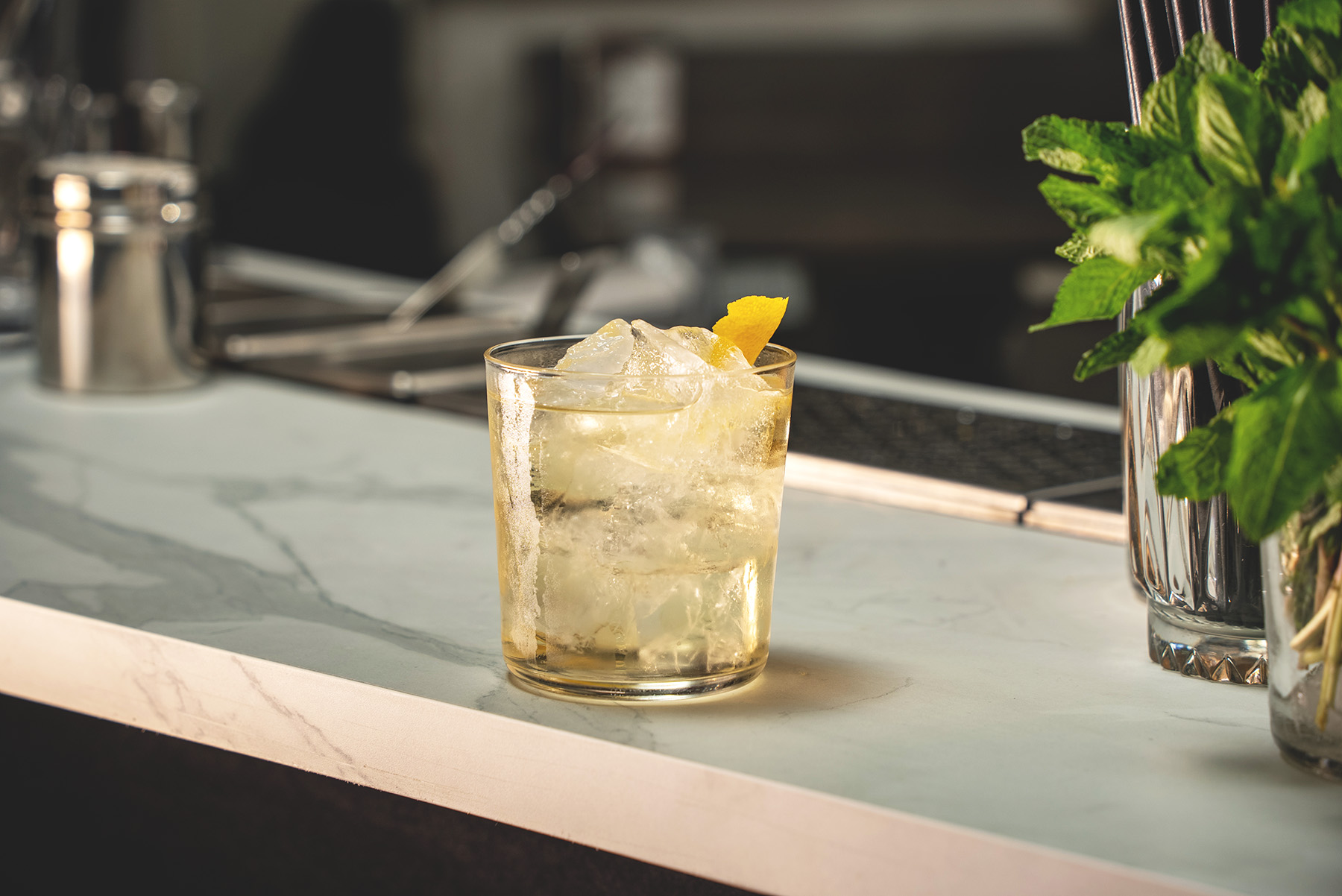
04 Mar Hugo Spritz – We need to have a talk about Elderflower Liqueur..
In the summer it is always nice to drink a refreshing and sparkling cocktail. Aperol Spritz has been the choice for many people but it is starting to change. The Hugo Spritz is steadily rising in popularity and we understand why.Ā
It is simple, beautiful and tastes delicious. This is our take on the Hugo Spritz.
The story of the Hugo Spritz
The Hugo Spritz is a relatively modern cocktail, but it has quickly become one of the most recognizable drinks in European aperitivo culture.
The drink was created in 2005 by Roland Gruber, a bartender from South Tyrol in northern Italy. At the time, the Aperol Spritz dominated terraces and cafƩs across the region. Gruber wanted to create a lighter and more aromatic alternative that would feel fresh and different.
His solution was simple but effective. Instead of the bitter orange profile of Aperol, he used elderflower syrup combined with prosecco, soda water and fresh mint. The result was a floral and refreshing spritz that perfectly suited warm summer afternoons.
Originally the drink was made with elderflower syrup rather than elderflower liqueur. However, as the cocktail spread beyond northern Italy, bartenders began using St. Germain elderflower liqueur. This change gave the drink more depth and structure while maintaining its delicate floral character.
Like many successful cocktails, the Hugo Spritz gained popularity through travel and word of mouth. Visitors encountered it on terraces in Italy and Austria and brought the recipe back home. Over time it became a staple of summer menus across Europe.
Today the Hugo Spritz is often seen as the elegant cousin of the Aperol Spritz. It is lighter, more aromatic and slightly less bitter, making it a perfect aperitivo for warm evenings and relaxed gatherings.

Choosing the ingredients
St. Germain:
Elderflower liqueur is the defining ingredient of the Hugo Spritz, and we use St. Germain.
St. Germain offers a refined floral profile with subtle sweetness and a natural elderflower aroma. It integrates beautifully with sparkling wine and fresh herbs, giving the cocktail its distinctive character.
Some recipes use elderflower syrup instead, but liqueur provides more structure and complexity. In a cocktail with only a few ingredients, that extra depth makes a noticeable difference.
Prosecco:
A dry prosecco works best in a Hugo Spritz. We use Martini prosecco in this recipe.
The sparkling wine brings freshness and lively bubbles that define the drink. If the prosecco is too sweet, the cocktail can quickly become heavy and lose its crisp character.
Choose a brut or extra dry prosecco with good acidity. It keeps the drink balanced and refreshing.
Garnish
The classic garnish in a Hugo Spritz is with mint and a lime wheel. We like to keep it extra simple by using the a lemon zest instead.

Hugo Spritz
Ingredients
Method
- Cut a lemon zest for garnish.
- Add St. Germain to a lowball glass
- Fill the glass with ice cubes
- Top with prosecco
- Stir gently a couple times
- Add more ice if necessary and garnish with a lemon zest.
Common Mistakes
What to Remember
- Keep it simple - Use fresh ingredients and quality spirits. Nothing more is needed.
Use St. Germain -Ā The elderflower liqueur is the backbone of the cocktail and there is not one better than St. Germain.
FAQ
- What glass should I use for serving? - The classic way to serve a Hugo Spritz is in a wine glass. We like to keep it simple and serving it in a lowball instead.
- Can I use a different elderflower liqueur than St. Germain? - We don't recommend using another elderflower liqueur as they are often artificial in the taste.
- What is the alcohol percentage of a Hugo Spritz? - The alcohol percentage in a Hugo Spritz typically ranges between 10 - 15 % ABV, depending on dilution and proportions.
Other Recipes
Explore more classic cocktails below.

Carl-Ditlev is a bartender and co-founder of EOW Magazine, dedicated to keeping cocktails simple with quality spirits, fresh juice, and homemade syrups.
No Comments