
The Caipirinha recipe

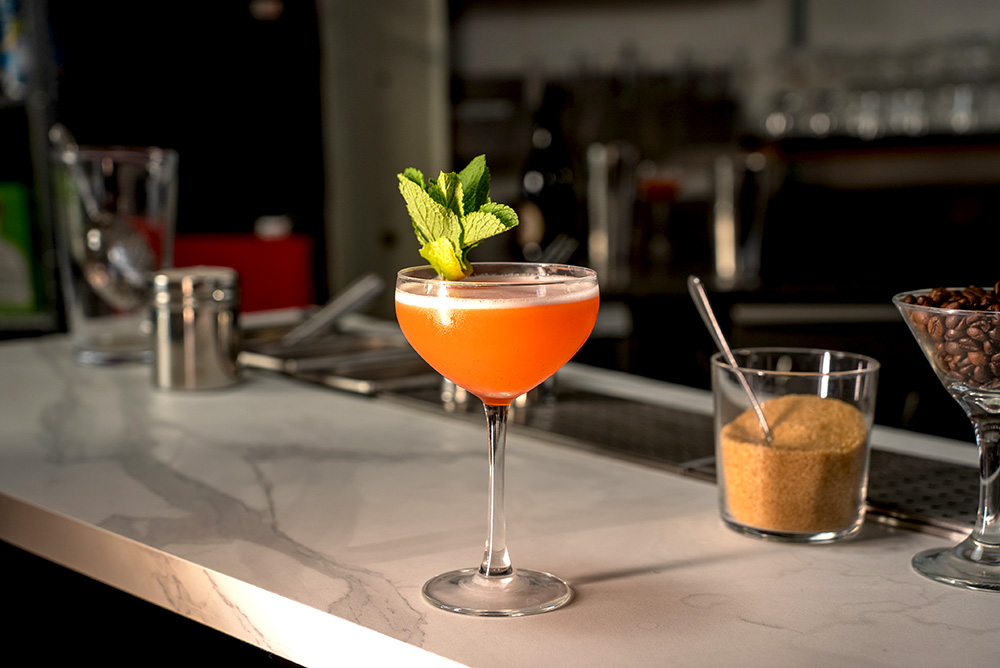
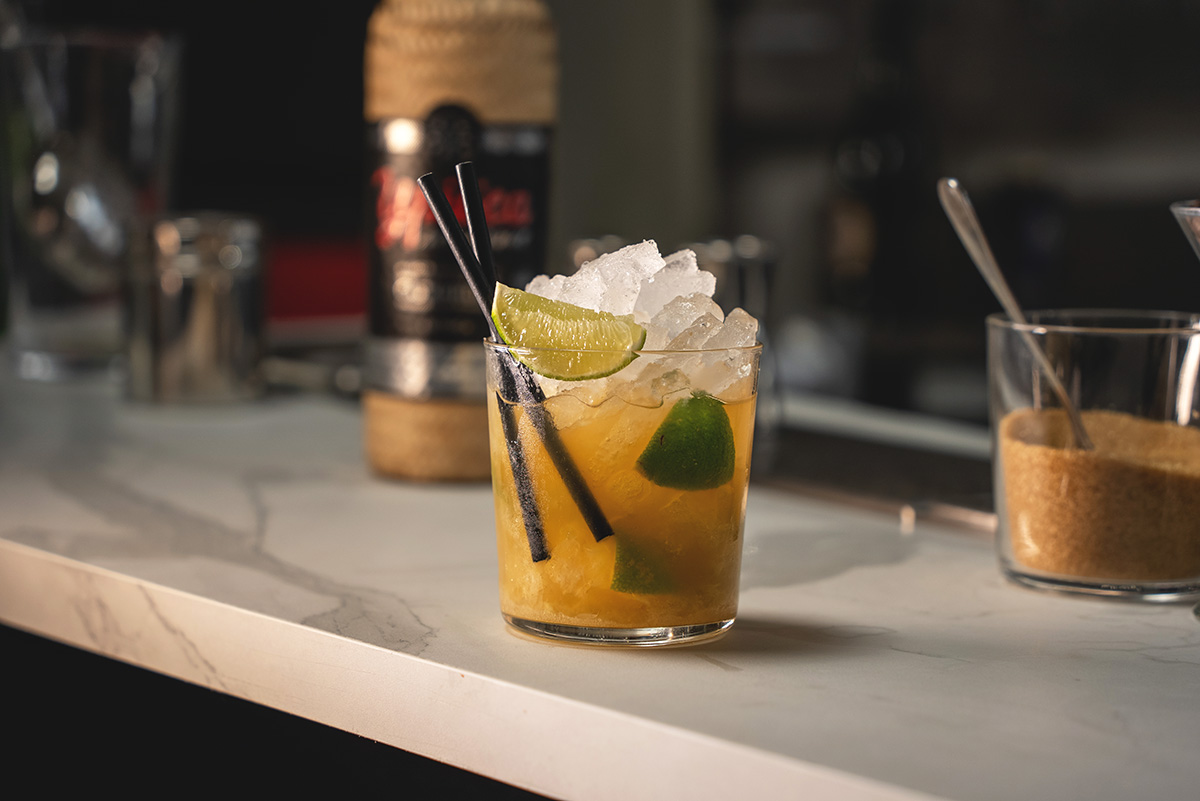
Caipirinha on a bar with a Cachaça in the background at EOW Magazine

The Caipirinha recipe

The Caipirinha is one of my favourite cocktails and it has been ever since I first tried it. It is the perfect summer cocktail because of its freshness and simplicity.

Alexander Machon was the one who introduced it to me when I first started bartending. I remember looking at the drink and saying, “So it is basically a Mojito without mint?”

Alexander just looked at me and said, “Do not say that out loud in front of a Brazilian.”

Since then I have ordered Caipirinhas many times, both in bars and when travelling.

Unfortunately I have also been served quite a few poorly made versions. They are often too sweet, poorly balanced or even made with rum instead of cachaça.

This Caipirinha recipe shows how the drink should actually be made. Simple, fresh and properly balanced.


The story of the Caipirinha

The Caipirinha is Brazil’s national cocktail and one of the most recognizable drinks to come out of South America. Today it appears on cocktail menus around the world, but the drink began with very simple roots.

Most accounts place the origin of the Caipirinha in rural Brazil in the early twentieth century. One popular story connects the drink to the time of the Spanish flu pandemic. A mixture of lime, sugar, garlic and cachaça was used as a home remedy believed to help fight illness.

Over time the medicinal version disappeared, but the basic combination of lime, sugar and cachaça remained. The garlic was eventually left out and the drink slowly became what we recognize today as the Caipirinha.

The name itself reflects this countryside origin. In Brazilian Portuguese the word caipira refers to someone from the rural parts of the country. Caipirinha can therefore be understood as “the little country drink”.

During the twentieth century the cocktail moved from small rural gatherings to bars in larger Brazilian cities such as São Paulo and Rio de Janeiro. As Brazilian culture spread internationally the Caipirinha followed, eventually becoming the drink most closely associated with Brazil.

Despite its global popularity, the recipe has hardly changed. Fresh lime, cane sugar and cachaça remain the foundation of the drink. Its simplicity is exactly what makes it so appealing. When the ingredients are good and the balance is right, the Caipirinha delivers a bright and refreshing cocktail that is difficult to improve upon.

What is Cachaça

Cachaça is the spirit that gives the Caipirinha its identity. Without it the drink would be something entirely different.

The spirit has been produced in Brazil for centuries. When Portuguese colonists began large scale sugarcane cultivation in the sixteenth century, distillation soon followed. Fermented sugarcane juice was distilled into a spirit that eventually became known as cachaça.

Although it is sometimes compared to rum, the two spirits are not identical. The main difference lies in how they are made.

Most rum around the world is produced from molasses, which is the thick syrup left behind after sugar has been refined. Cachaça on the other hand is made from freshly pressed sugarcane juice. The juice is fermented and distilled, which creates a spirit with a fresher and more expressive character.

Because of this production method, cachaça often carries notes that feel slightly grassy and vibrant. It has a natural character that works particularly well in cocktails that rely on fresh citrus.

Brazil produces a wide range of cachaças. Some are clear and bottled shortly after distillation, while others are aged in wooden barrels that add roundness and depth to the spirit. The choice of cachaça can therefore have a noticeable influence on the final flavour of a Caipirinha.

Choosing the ingredients

When a cocktail only contains a few ingredients, each one becomes important. The Caipirinha is a perfect example of this. With only lime, sugar and cachaça in the glass, the quality of each ingredient has a clear impact on the final drink.

Choosing fresh and well balanced ingredients is therefore the easiest way to improve your Caipirinha.

Cachaça:

Cachaça is the foundation of the cocktail and defines the character of the drink. Since the Caipirinha does not contain many other ingredients, the spirit should be clean, balanced and expressive.

For this recipe we recommend Ypióca Silver. It is an unaged cachaça that keeps the fresh and vibrant notes of sugarcane. This makes it a great choice for a Caipirinha because the spirit stays bright and allows the lime to remain the main flavour in the drink.

Ypióca is also one of the oldest cachaça producers in Brazil, with production dating back to the nineteenth century. Their Silver expression delivers a crisp and approachable style that works particularly well in simple cocktails like this one.

Lime:

Lime is responsible for the fresh acidity that gives the Caipirinha its refreshing character.

In this recipe we use fresh lime wedges that are muddled directly in the glass. This is the traditional way of making a Caipirinha and it gives the drink a fuller citrus flavour. When the lime is muddled together with the sugar, both the juice and the natural oils from the peel are released, which adds depth and aroma to the cocktail.

Because the peel is part of the drink, it is a good idea to use organic limes whenever possible. This avoids unwanted bitterness from chemicals on the peel and ensures the oils released during muddling taste clean and fresh.

It is also possible to make a Caipirinha using fresh lime juice instead of lime wedges. This method produces a slightly cleaner and less rustic drink since the oils from the peel are not included. While it can work well, the traditional version with muddled lime wedges is what gives the Caipirinha its characteristic flavour and texture.

When selecting limes, choose fruits that feel slightly heavy for their size and have smooth skin, as these usually contain more juice.

Cane Sugar:

Traditional Caipirinha recipes use cane sugar rather than simple syrup.

The sugar crystals help break down the lime wedges when muddled and create the rustic texture that the drink is known for. Cane sugar also pairs naturally with cachaça since both originate from sugarcane.

White sugar can work if cane sugar is not available, but it tends to produce a slightly cleaner sweetness without the subtle depth that cane sugar brings to the drink.

Garnish

The classic way to garnish a Caipirinha is with a lime wedge.

Caipirinha on a bar with a Cachaça in the background at EOW Magazine

Caipirinha Recipe

This Caipirinha recipe shows how to make Brazil’s classic cocktail using cachaça, fresh lime and cane sugar. A simple drink with bright citrus flavour and a refreshing balance.
Prep Time 2 minutes
Build time 5 minutes
Total Time 7 minutes
Servings: 1 cocktail
Course: Drinks
Cuisine: Brazilian
Calories: 180

Ingredients
  

The Cocktail
  • 6 cl Cachaça
  • 4-6 Lime cubes or 3 cl lime juice
  • 2.5 tsp Sugarcane
  • Crushed ice
Garnish
  • 1 Lime wedge
  • 2 Straws

Equipment

  • 1 Rock/Tumbler/Lowball Glass
  • 1 Bar Spoon
  • 1 Muddler
  • 1 Jigger
  • 1 Kitchen Knife

Method
 

Preparation
  1. Cut the ends off the lime and slice it in half lengthwise. Remove the white core from the center and cut each half into small lime cubes.
  2. Prepare the garnish by cutting a lime wedge.
Instructions
  1. Add lime cubes and sugarcane to a lowball.
  2. Place the lime cubes with the peel facing down so they are easier to muddle.
  3. Gently muddle the lime wedges with the sugar until the juice is released.
  4. Fill the glass with crushed ice.
  5. Pour the cachaça over the ice.
  6. Stir the drink so the lime, sugar and cachaça combine.
  7. Stir upwards from the bottom of the glass to mix the sugar and lime properly with the ice.
  8. Add a little more crushed ice so it forms a small peak above the rim of the glass.
  9. Add two straws and garnish with a lime wedge.

Common Mistakes

One of the most common mistakes when making a Caipirinha is crushing the lime too aggressively. Press the lime cubes firmly to release the juice, but avoid grinding the peel. If the peel is broken down too much it can release bitterness and make the drink taste harsh.
Another common mistake is serving the drink with too little ice. A Caipirinha should be served with plenty of crushed ice. Too little ice makes the drink feel overly strong and prevents the ingredients from mixing properly. Filling the glass well also gives the cocktail its refreshing texture.

What to Remember

  • Keep it simple - Use fresh ingredients and quality spirits. Nothing more is needed.
  • Use fresh limes - Fresh limes are essential for a good Caipirinha. Since the lime wedges are muddled directly in the glass, both the juice and the oils from the peel become part of the drink.

  • Do not over muddle the lime - Muddle the lime firmly with the sugar, but avoid crushing the peel too aggressively. Over muddling can release bitterness from the white pith of the lime.
  • Use cane sugar - Cane sugar is the traditional choice for a Caipirinha. The crystals help break down the lime during muddling and add a natural sweetness that pairs well with cachaça.

  • Use lots of crushed ice - Crushed ice helps dilute the cocktail slightly and integrates the lime, sugar and cachaça more evenly. It also gives the Caipirinha its characteristic texture.

FAQ

  • What alcohol is in a Caipirinha? - A traditional Caipirinha is made with cachaça, which is Brazil’s national spirit. It is produced from fermented sugarcane juice and gives the cocktail its distinctive character.
  • What ingredients do you need for a Caipirinha? - A traditional Caipirinha only requires three ingredients. Fresh lime wedges, cane sugar and cachaça. The lime and sugar are muddled directly in the glass before adding crushed ice and cachaça. The simplicity of the drink is what makes the quality of each ingredient so important.
  • What is the alcohol percentage of a Caipirinha? - The alcohol percentage in a Caipirinha typically ranges between 18 - 20 % ABV, depending on dilution and proportions.
  • Can I make a Caipirinha with lime juice instead of lime wedges? -Yes, it is possible to make a Caipirinha using fresh lime juice. This produces a slightly cleaner drink, but the traditional recipe uses muddled lime wedges because the oils from the peel add more flavour and aroma.
  • What glass should a Caipirinha be served in? - A Caipirinha is usually served in a lowball or rocks glass. The drink is built directly in the glass and served with crushed ice.
  • Can I use rum instead of cachaça? - Rum can be used as a substitute, but the drink is then technically called a Caipiríssima. Cachaça gives the cocktail its authentic Brazilian character and remains the traditional choice.
  • Why is the Caipirinha Brazil’s national cocktail? - The Caipirinha became popular in Brazil during the early twentieth century and eventually spread throughout the country. Because it uses cachaça, a spirit that is deeply connected to Brazilian history and sugarcane production, the drink came to represent Brazilian cocktail culture. Today it is widely recognized as the country’s national cocktail.
Sources
No Comments

Post A Comment
Recipe Rating